
Services / Airspace & Flight Procedure Design
Airspace & Flight Procedure Design
ICAO PANS-OPS compliant instrument flight procedures — from initial design through authority validation.
ICAO PANS-OPS compliant instrument flight procedures — from initial design through authority validation.
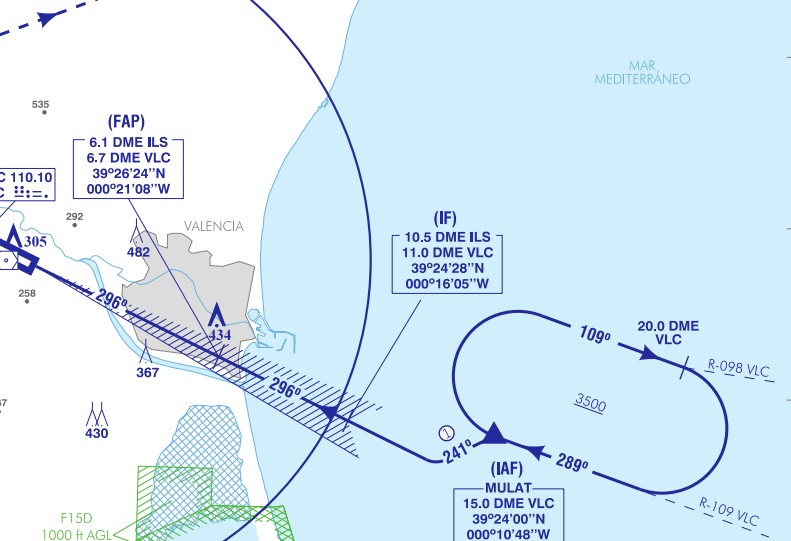
Modern airspace is increasingly complex. Efficient flight procedure design is critical for maximising airport capacity, minimising environmental impact, and ensuring absolute obstacle clearance during all phases of flight. Altitude Nexus bridges the gap between regulatory requirements and operational efficiency.
We design all categories of instrument approach procedures including RNP APCH (LNAV, LNAV/VNAV, LPV), ILS, VOR, NDB, GNSS and PinS for heliports. Each procedure is designed per ICAO Doc 8168, optimised for obstacle clearance and documented with complete dossiers for authority submission.
We design Standard Instrument Departures (SIDs) and Standard Arrival Routes (STARs) optimising traffic flow while maintaining terrain and obstacle clearance. We also design holding procedures and conduct all associated airspace coordination with ANSPs.
We support airspace restructuring projects including Class A–G design, TMA and CTR design, route planning, and coordination with ANSPs. Complete technical documentation is provided for regulatory approval.
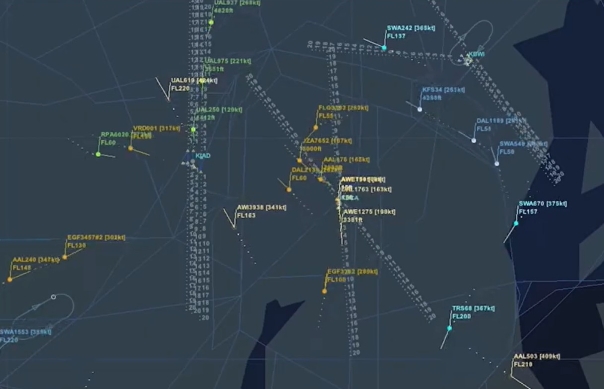
Fast-time simulation offers a cost-effective means of quantifying and evaluating system reliability and performance. Its primary objective is to support high-level decision-making related to system changes or the introduction of new procedures and technologies. To address these needs, a broad range of current and future air traffic management (ATM) concepts are modelled, generating analytical results within short timeframes. This approach reduces data preparation effort and allows more time for in-depth comparative analysis.
Detect current traffic hotspots, cuantify sector capacity and increase airspace management efficiency.